

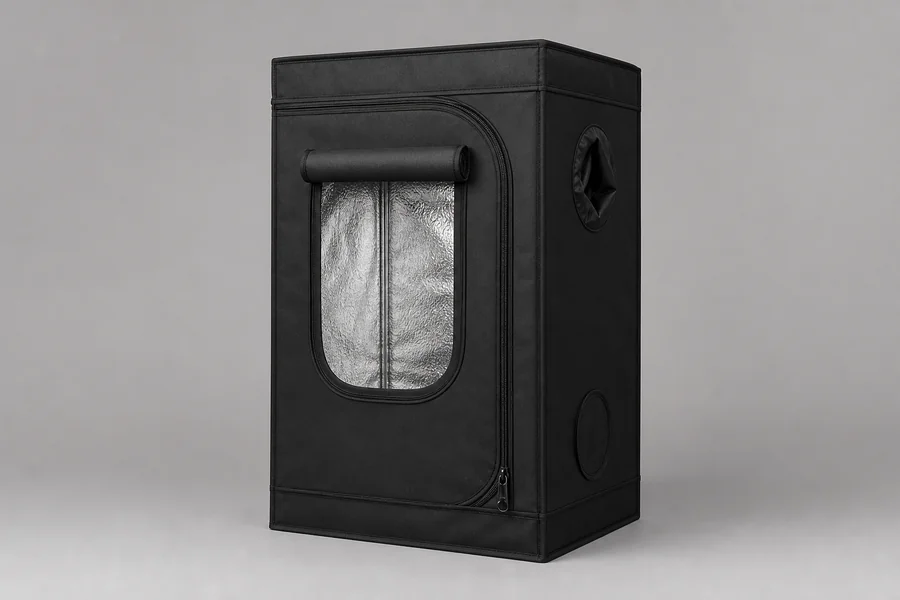
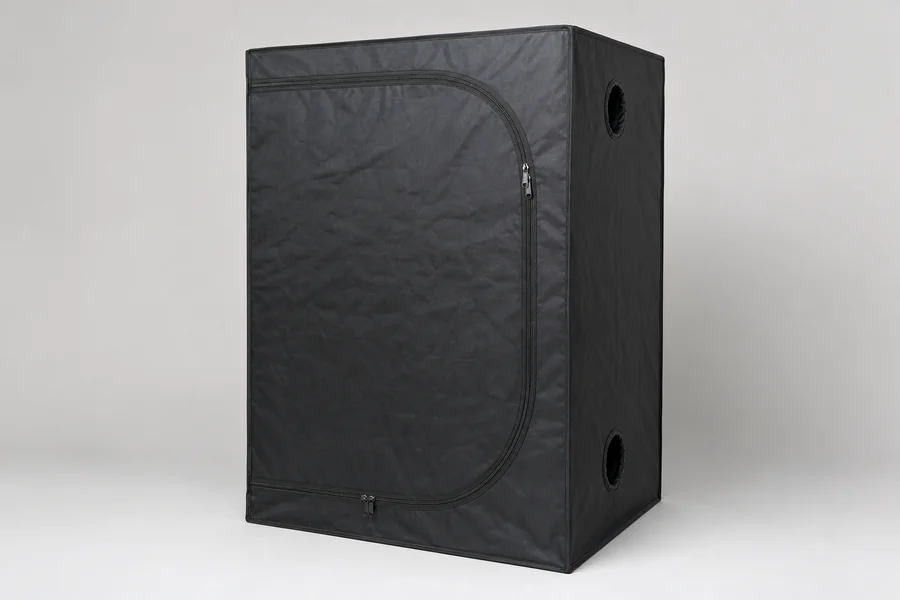
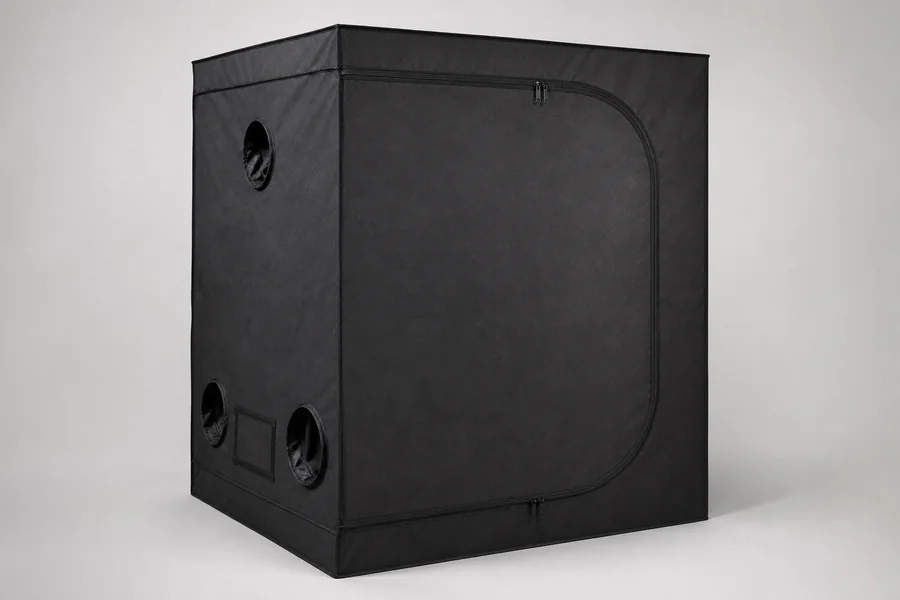
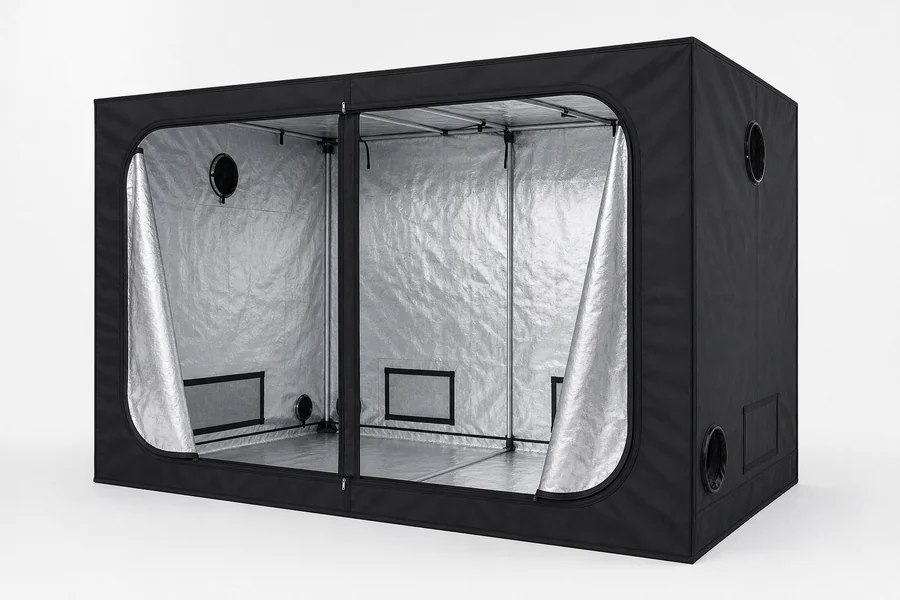
Product photos show a tent at its best. Reviews show what happens after six months of heat, humidity, zipper pulls, and late-night filter swaps. Zazzy Grow Tent earns consistent praise from indoor gardeners who want reflective Mylar, steel frames rated to 110 lbs, and lightproof zippers without premium-brand pricing. This guide distills recurring themes so you can read between the stars before choosing a size.
Pair this page with our parts breakdown for hardware context and the assembly guide when you are ready to build. Return to the homepage for full size comparisons and setup tips.
Overall sentiment
Most Zazzy reviews cluster around four stars with repeat buyers upgrading from budget tents. Value-for-money appears more often than luxury comparisons — shoppers expect solid materials at a mid-tier price and feel the brand delivers when assembly is done carefully.
Negative reviews usually trace to unrealistic expectations or skipped steps: missing a crossbar, under-sized exhaust fans, or storing the tent wet between cycles. Substantive critiques mention specific parts — a stiff zipper, a vent that needed an extra cinch — not vague disappointment. That pattern suggests most issues are fixable with attention, not design failures.
Assembly feedback
First-time growers report 30 to 60 minute builds for 3×3 and 4×4 sizes when following the pole diagram. Experienced users go faster. Common praise: labeled poles, intuitive corner order, and a tool bag that keeps connectors from rolling away. Pain points appear when builders skip the floor tray step or tension the shell before the frame is fully locked.
Reviewers recommend a dry run without lights — zip every flap, run fans, check for light leaks at night — before transplanting. Growers who do this report fewer mid-cycle surprises. See our step-by-step assembly page if you want the same sequence successful reviewers use.
Frame stability themes
Steel frame comments focus on sag under load. Zazzy's 110 lb rating gets cited when growers hang a carbon filter plus a panel light on the top rails. Larger 4×8 setups earn extra praise for mid-level bars that resist wall pull when inline fans run at high speed.
Occasional notes mention tightening connectors after the first week — normal as poles seat under vibration. Few reviews describe catastrophic collapse when weight limits were respected. If you plan dual fixtures, choose the footprint that matches published load guidance rather than maxing every inch of rail.
Reflectivity and Mylar
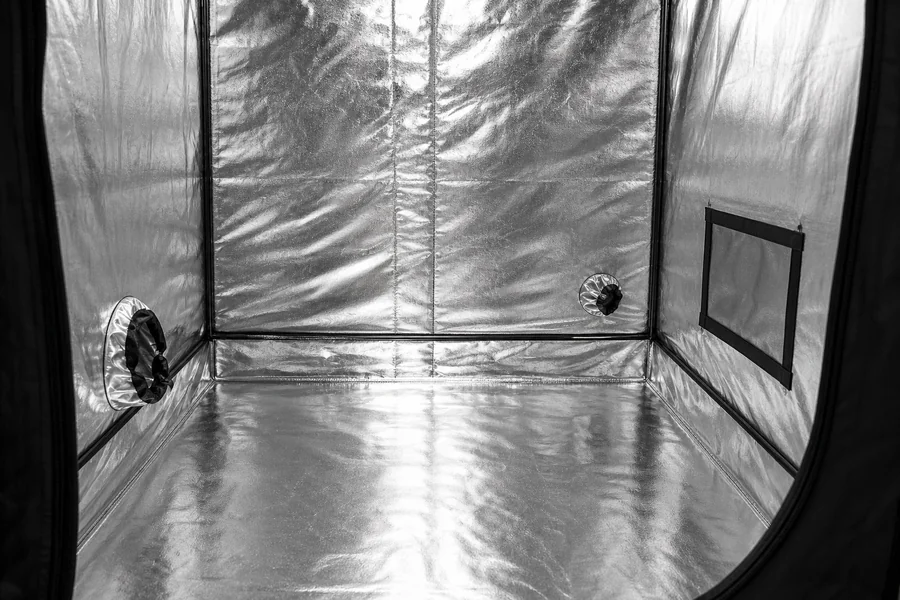
600D Mylar at 95% reflectivity is the most repeated positive theme. Growers compare wall brightness to prior tents and report better lower-canopy development when side reflection is clean. Complaints about peeling are rare in recent seasons; when they appear, they often involve abrasive cleaners or dragging trellis hardware across the same wall spot every cycle.
Wipe interiors with plain water between runs and let fabric dry fully before storage. Reviewers who maintain that habit describe Mylar that looks nearly new after a year. Salt crust from heavy feeding dulls reflection — a soft cloth fixes most of it.
2×2 and 3×3 notes
2×2 reviews come from closet and spare-room growers. Heat management is easier with a small LED; several reviewers pair the tent with a 100–150W class light and report stable leaf temps. Observation windows get love here because opening a door in tight quarters dumps humidity fast.
3×3 feedback positions the size as the hobby sweet spot — enough canopy for four to six plants in training, still fits many bedrooms. Assembly times skew shorter than 4×4 kits. Ventilation comments recommend at least a four-inch inline fan for summer grows in warm climates.
4×4 and 4×8 notes
4×4 reviews dominate volume because the footprint matches popular LED boards and SCROG grids. Growers highlight even air distribution when intake and exhaust are on opposite corners. Floor tray mentions spike here — runoff from multiple pots adds up.
4×8 reviewers tend to be experienced home growers running longer cycles or perpetual harvest splits. Praise focuses on crossbar rigidity and enough height for training screens. Critiques sometimes note the real floor space required — measure doorways before ordering. Two-light layouts need planning so cord routes do not fight zipper tracks.
Observation window praise
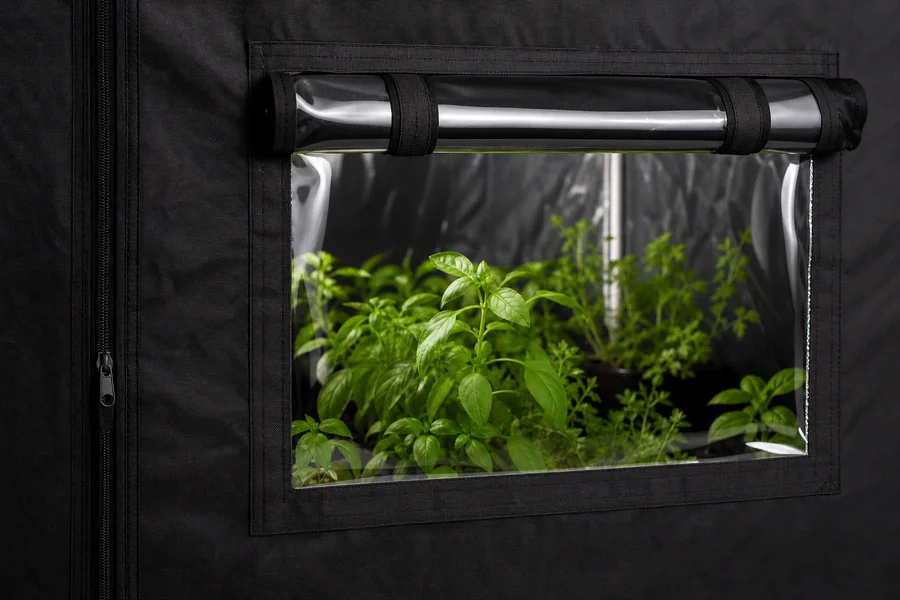
The observation window earns disproportionate positive mentions relative to its size. Growers in apartments value checking plants without releasing odor or light. Parents and roommates appreciate fewer full-door opens during evening hours.
Keep the privacy flap fully closed during dark periods. Reviewers who report light leaks at the window usually admit to a folded flap or a stretched seam — both fixable with repositioning or tape before flip.
Floor tray feedback
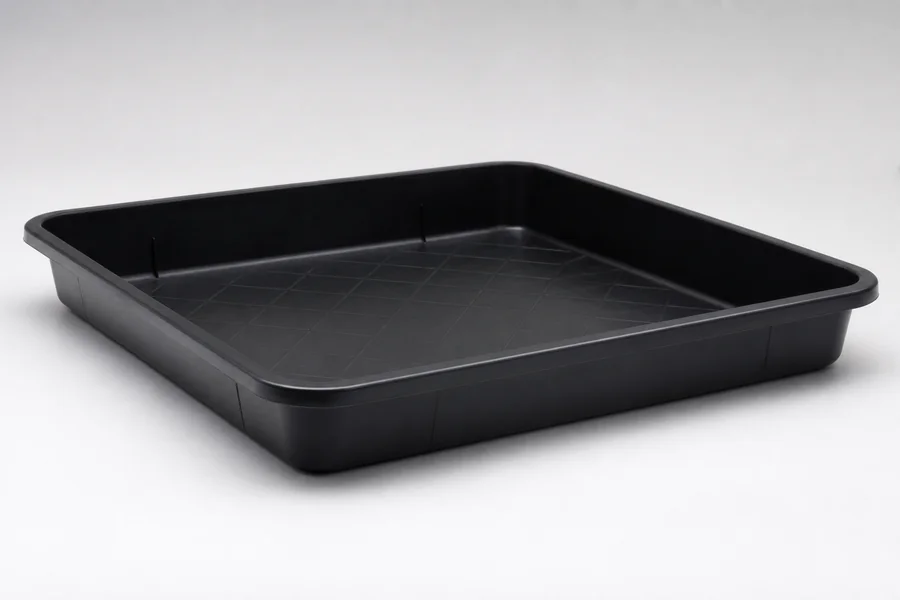
Trays receive practical love, not flashy praise. Spill containment and faster cleanup between cycles top the list. Reviewers growing in rented spaces emphasize protecting carpet and hardwood. A few note checking tray lip height against their pot elevation — standard trays work for saucers; flood-to-drain growers verify capacity before committing.
Ventilation and odor
Vent port reviews tie directly to odor control success. Drawstring seals get credit when growers match duct diameter to port size and add a small passive intake. Complaints about heat usually pair with undersized fans — not a fabric flaw. Match CFM to tent volume plus filter drag; reviewers who do report stable VPD ranges.
Carbon filter weight on top bars is another recurring topic. Zazzy frames handle typical four-inch filter setups in 3×3 and 4×4 sizes when hung centered. Off-center hangs prompt extra cross-tightening — mentioned in balanced reviews, not alarm posts.
Zipper and light leaks
Lightproof zippers are a make-or-break feature for photoperiod plants. Most Zazzy reviews describe acceptable leak levels after a night test with a phone flashlight outside. Remediation is consistent: overlap flaps, slow zipper passes, add magnetic strips on trouble corners if needed.
Treat zippers gently during sticky harvest weeks. Clean teeth with a dry brush if resin dust builds. Reviewers who do report smooth action through multiple cycles.
Reading reviews well
Filter by tent size and grow duration when platforms allow. A 4×4 review from someone running a full photo cycle outweighs a weekend unboxing post. Look for mentions of climate — desert heat and humid coasts stress tents differently.
Ignore one-line five-star posts without detail. Actionable reviews describe assembly time, fan size, light model, and whether issues persisted after fixes. Photos of interior wear tell more than star averages.
Sort by newest when comparing recent fabric batches. Tent brands evolve connectors and zipper suppliers; fresh reviews reflect current stock better than posts from years ago.
Value and longevity
Zazzy sits in the mid-tier value band — more durable than entry tents, less costly than boutique brands. Reviewers frame purchases as multi-season tools when maintained. Cost-per-harvest math favors tents that survive three or more cycles without frame fatigue.
Resale value appears in secondary-market comments. Complete kits with floor tray, tool bag, and clean Mylar sell quickly. Missing parts drop prices — another reason to keep the accessory bag stocked.
Making your call
Zazzy Grow Tent reviews collectively describe a dependable home-grow shell — reflective when clean, sturdy when loaded correctly, and approachable for first builds. Pick your footprint from the cards above, verify fan and light pairings, read recent customer comments, then follow our assembly sequence for the smoothest start.
Still comparing hardware? Our parts guide explains what each component does inside the walls reviewers are praising.